Blog ·
Preparing Your Home for Seasonal Transitions
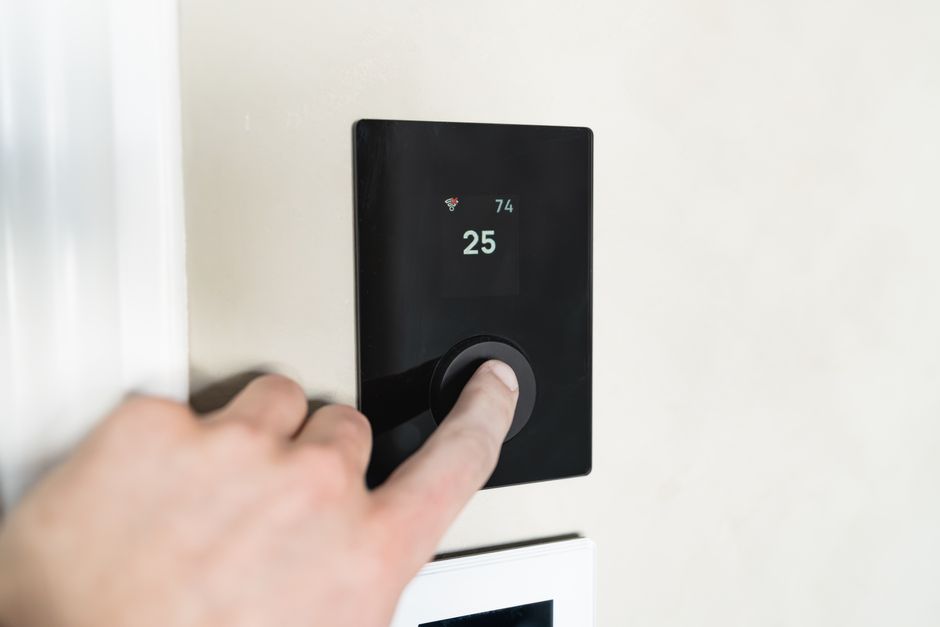
As seasons change, so do the demands on your home's comfort system. Whether you're moving from summer heat to autumn chill or preparing for winter's arrival, strategic planning ensures your space remains comfortable throughout the year. The key lies in understanding how seasonal shifts affect your indoor environment and taking proactive steps before the transition occurs.
One of the most overlooked aspects of seasonal preparation is assessing your current comfort setup in advance. Rather than waiting until temperatures drop or rise dramatically, spend time evaluating how your space performs during mild weather. This gives you a window to make adjustments without urgency. Check for drafts around windows and doors, examine insulation in key areas, and test your heating or cooling systems on lower settings to identify any issues before peak season.
Layering your comfort approach makes a significant difference. During transitions between seasons, you'll likely need flexible solutions that can adapt to fluctuating outdoor temperatures. Many people find that maintaining a single comfort strategy year-round leads to uncomfortable periods. Instead, consider how different areas of your home experience temperature variations. Bedrooms, living spaces, and work areas often have different comfort needs, and addressing these individually creates a more effective overall environment.
Ventilation patterns change with seasons, and adjusting how air moves through your space can dramatically improve comfort. In warmer months, strategic ventilation helps dissipate heat naturally. As temperatures drop, controlling air circulation prevents warm air loss. Open or close vents deliberately rather than accepting whatever default settings exist in your home. This conscious adjustment takes minimal effort but yields meaningful results.
Humidity levels deserve particular attention during seasonal changes. Summer typically brings higher humidity, while winter air becomes exceptionally dry. Both extremes affect how comfortable your space feels. Rather than waiting to feel uncomfortable, monitor humidity levels during transition months and make adjustments to your comfort systems accordingly. This proactive approach prevents the uncomfortable period that usually comes mid-season.
Start planning seasonal transitions at least two weeks before the change occurs. Clean or replace any filters, have systems inspected, and test all equipment. This timing allows professionals to complete work without rush pricing and prevents you from experiencing discomfort while waiting for service appointments. When you're prepared in advance, your home transitions smoothly between seasons, maintaining comfort levels your family expects throughout the year.