Blog ·
Maintaining Consistent Comfort Across All Seasons
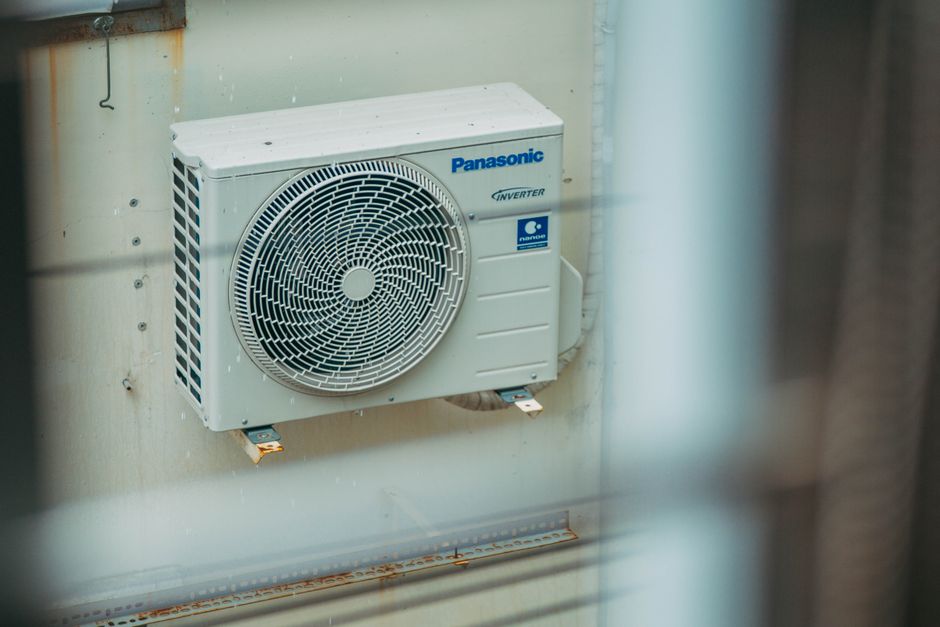
The ideal home maintains pleasant conditions regardless of what happens outside. However, achieving year-round comfort requires understanding how your space functions during each season and adjusting systematically. Rather than viewing seasonal changes as problems to solve reactively, approach them as planned transitions your home can handle smoothly with the right preparation and maintenance.
Consistency in comfort starts with recognizing that different seasons demand different strategies. Summer comfort often focuses on temperature control and humidity management, while winter emphasizes warmth retention and air quality. Spring and fall present unique challenges as temperatures fluctuate daily. Successful year-round comfort means developing flexible systems that accommodate these variations without creating extremes in any season.
Temperature stability prevents discomfort and reduces stress on both your body and your home's systems. Rather than allowing temperatures to swing dramatically between day and night or between rooms, aim for gradual, controlled variations. This approach proves especially important during morning and evening hours when outdoor temperatures change most rapidly. Moderating these swings through conscious comfort management creates an environment where your family feels consistently good.
Air quality represents an often-underestimated component of seasonal comfort. Many homes experience stale air during winter when windows remain closed for months, while summer sometimes brings outdoor pollutants indoors. Addressing air quality year-round prevents the stuffiness some people experience in colder months and the allergen issues common in warmer seasons. Proper ventilation, regular filter maintenance, and strategic air circulation all contribute to consistent comfort throughout the year.
Humidity management deserves equal attention. Dry air in winter causes discomfort and affects respiratory health, while excessive moisture in summer promotes mold and dust mites. Maintaining humidity within a moderate range year-round improves comfort and protects your home's structure. Rather than ignoring humidity fluctuations, monitor them and adjust your approach seasonally to keep levels consistent.
Scheduling regular maintenance before each season ensures nothing catches you unprepared. This includes inspecting systems, cleaning components, and testing equipment during mild weather. Seasonal maintenance prevents breakdowns during peak-demand periods when service calls take longer to arrange and repair costs increase. More importantly, well-maintained systems perform efficiently, which means your home maintains comfort reliably regardless of outdoor conditions.