Blog ·
Creating Your Ideal Indoor Comfort Environment
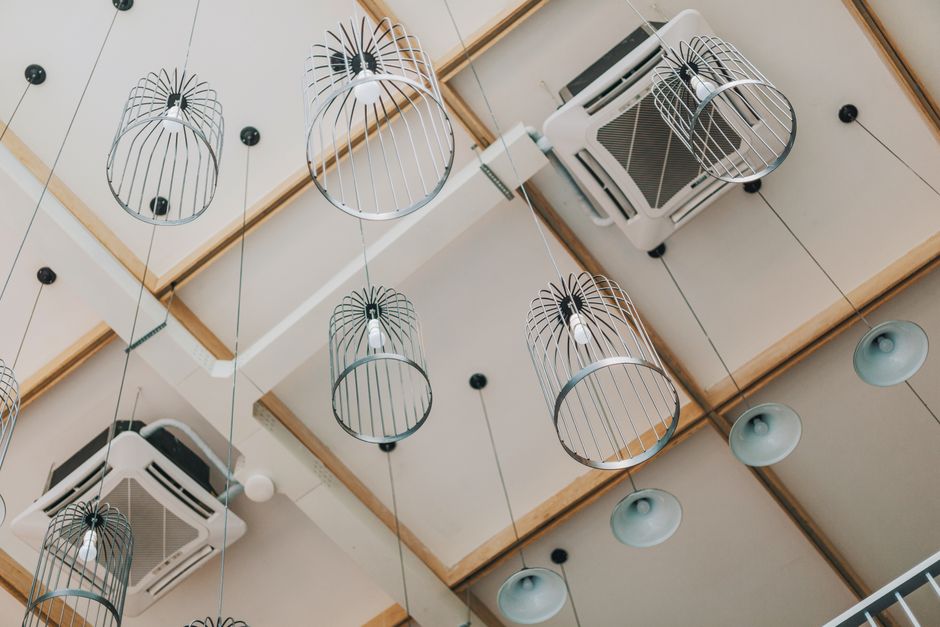
Your indoor environment profoundly affects daily well-being, yet many people accept whatever comfort conditions they inherit. Creating an ideal indoor space doesn't require extensive renovation or costly equipment. Instead, it involves understanding what factors influence comfort and making intentional adjustments that address your specific needs and preferences.
Temperature remains the most obvious comfort factor, but the ideal temperature varies by individual, activity, and time of day. Rather than assuming one setting works for everyone, recognize that different family members may need different comfort levels. This is where flexible solutions prove invaluable. Layering clothing, using adjustable comfort systems, and understanding that comfort preferences change throughout the day allows everyone to maintain their ideal environment without constant adjustment.
Beyond temperature, the tactile qualities of your space significantly impact comfort. Materials, textures, and surfaces you interact with throughout the day influence your physical experience. Natural materials often feel more pleasant than synthetic alternatives. Your bed, seating areas, and frequently touched surfaces deserve attention when considering overall comfort. When your environment feels good to the touch as well as to the temperature-sensing systems, comfort improves considerably.
Lighting affects comfort in ways many people underestimate. Harsh, bright lighting creates tension and stress even when temperature remains perfectly comfortable. Natural light during daytime hours promotes well-being, while softer lighting in evenings supports relaxation. The quality of light matters as much as its quantity. Adjustable lighting systems that accommodate different needs throughout the day create an environment where your body and mind feel properly supported.
Air circulation influences comfort through multiple mechanisms. Stagnant air feels stuffy regardless of temperature, while gentle air movement provides pleasant sensation. Strategic placement of fans, understanding how natural air moves through your space, and adjusting ventilation based on season all contribute to optimal indoor conditions. Many people report increased comfort when air circulates gently, even at the same temperature where stagnant air felt unpleasant.
Personal touches make spaces feel inviting and comfortable. Familiar items, pleasant scents, and a sense of control over your environment all enhance comfort significantly. When you can adjust conditions to suit your preferences rather than accepting preset defaults, your space becomes genuinely comfortable rather than merely tolerable. This combination of physical conditions and personal preference creates the ideal indoor environment where you genuinely enjoy spending time.